
If you’ve ever attended a fencing tournament, you know it’s less of a quick activity and more of full day event. Between early check‑in times, long breaks, sudden announcements, and stressful bouts, being prepared makes the experience far smoother, for both fencers and families.
After many tournaments, we’ve learned that a well‑packed fencing bag (and parent tote!) can make all the difference. Here’s what we always bring with us.
Fencing Gear
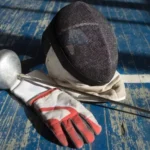
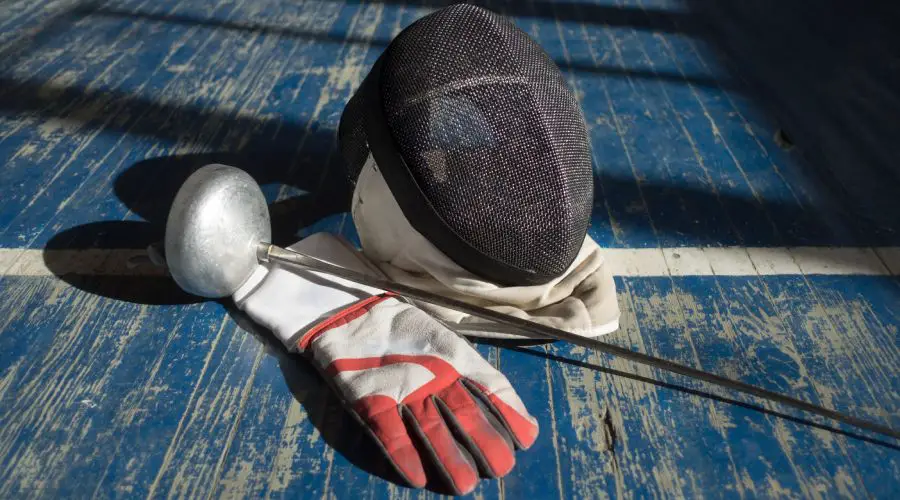
This may sound obvious, but always double‑check that you have the following before leaving home.
- Fencing jacket
- Underarm protector/Plastron
- Tall fencing socks (bring extras!)
- Mask
- Mask cord (foil and sabre)
- Glove (weapon‑specific)
- At least 2 weapons (3 is even better)
- At least 2 body cords
- Lamé (foil and sabre)
- Weapon‑specific tools (Allen key, screwdriver, etc.)
Important note on failing equipment: Equipment failing is not uncommon. Backup gear is not optional, it’s essential. More often than not, a fencer can borrow equipment from a club mate, or even an opponent, if something fails on the strip. Most commonly, electrical equipment fails (weapons and cords), but lamé, jackets, gloves, and even underarm protectors can all still fail. Electrical equipment often fails because the wiring is damaged or a part loose which causes the connection to the strip to fail as well. Competitions will not allow a fencer to continue competing with broken equipment. Similar issues often occur with weapons since they have electric wiring running through them as well. Non-electric components normally fail due to issues regarding safety of the fencer. This may include holes in the jacket, glove, or underarm protector. The lamé may fail because it has a dead spot which indicates a region of the lamé which is no longer conductive and cannot send accurate signals back to the scoring machine. These “dead spots” are often not fixable. Most of the lamé should still work, but just having one small dead spot is enough for you to be told to get a new lamé in order to compete at a competition. For this reason, most fencers have a practice lamé (used only for practice) and a competition lamé (used only for competitions). This allows the fencer to have a lame which can be damaged while also having a back up for competitions. Finally, gloves also fail a lot. They usually get holes which pose a threat to the safety of the fencer. You can sew these holes back together and the competition staff will allow it to be used (most of the time).
Food & Hydration for Fencers
Fencers burn a surprising amount of energy, and tournament days are long.
- Refillable water bottle
- Electrolyte drinks or powder packets
- Healthy snacks:
- Fruit (bananas, apples, berries)
- Protein bars
- Trail mix or nuts (if allowed)
- Sandwiches or wraps
- Quick carbs for between bouts (crackers, granola bars)
Most venues do have concession stands, but they’re often heavy on fried foods and processed carbs, which aren’t ideal for performance or endurance. Just one event can stretch on for several hours so it is important to have sufficient food.
Snacks & Entertainment
If siblings are coming along to cheer, it important to be prepared. Things which
- Individual snack packs
- Small games or card decks
- Coloring books or notebooks
- Tablets or handheld games (with headphones)
- Chargers or power banks
Tournament days include a lot of waiting, and having something fun to do helps everyone stay happy.
Comfort Items for Parents
Parents are on their feet almost as much as the athletes.
- Folding chair or camping stool
- Lightweight blanket or jacket (venues can be cold)
- Comfortable shoes
- Backpack or tote for quick access
Folding chairs and stools are extremely common at fencing events, so you won’t stand out at all.
Tech & Paper Essentials
- Extra phone chargers
- Portable battery packs
- Pen or marker (for quick notes)
Phones are used constantly (for bout assignments, event updates, and coach communication) so battery life matters. Nearly all fencing competitions will use Fencing Time Live to communicate information to the fencers. This includes where in the venue the pools will be, who is in the pools, pool results, the DE tableau, and the final results.
Equipment Emergency Planning
There is almost always a fencing equipment vendor on site, which can be a huge help. However:
- Not all vendors attend every event
- Your preferred brand may not be available
For example, if your fencer primarily uses Blue Gauntlet gear and that vendor isn’t present, you may need to purchase a different brand if something fails inspection.
It is important to keep in mind that:
- Different brands may feel different in balance or grip
- Event pricing is often higher than online
- Backup gear saves stress (and money)
Medical & Care Items
All USA Fencing–sanctioned tournaments have a medical team on site, trained to handle: blisters, minor cuts, muscle tweaks, and athletic taping. They will also have medication like painkillers.
Despite this, it is still important to bring extra band-aids, athletic tape, and any medication the fencer may need.
Final Thoughts
Tournament days can feel overwhelming at first, but preparation turns chaos into routine. Over time, you’ll refine what works best for your family, but this list is a great starting point.
Having well‑packed fencing tournament bag means:
- Fewer emergencies
- Less stress
- Happier fencers and parents
- More focus on enjoying the sport
And at the end of the day, that’s what fencing is really about.